The Role of Concrete in Modern Architectural Design Dec 15, 2025
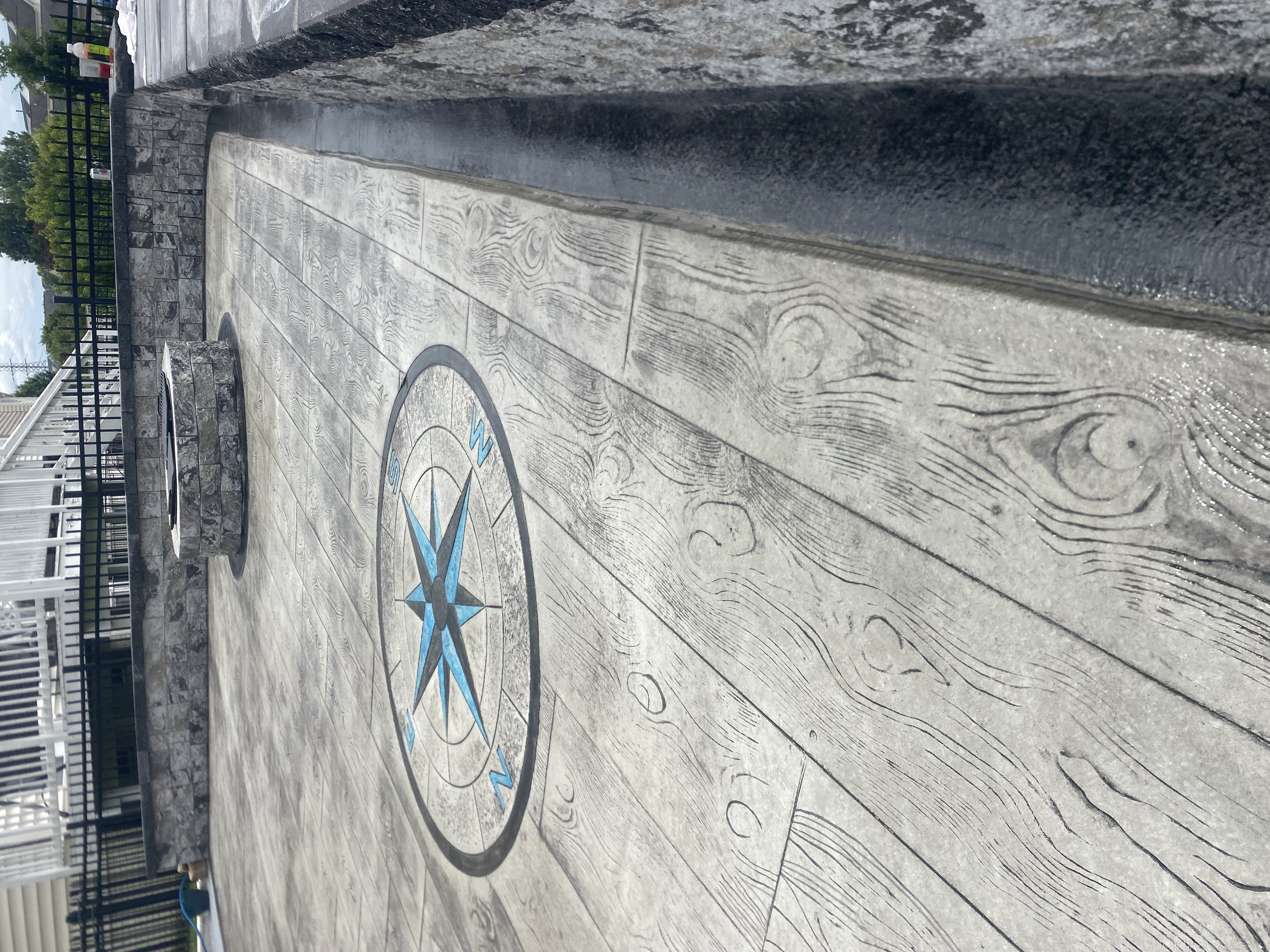
Architectural design has evolved rapidly, shifting towards materials that accommodate sustainable and aesthetically pleasing goals. Concrete is at the forefront of this evolution. Its versatility allows architects to explore creative forms and textures while maintaining structural resilience. Unlike other materials, concrete can be molded into various shapes, supporting ambitious architectural visions. The design landscape is now colorful and dynamic, thanks in part to advanced concrete technologies such as stained, polished, or exposed aggregate finishes.
One of the most significant benefits of concrete in modern design is its sustainability. The global shift towards green building practices has pushed architects to reconsider traditional materials. Concrete is a prime choice due to its thermal mass properties, which help regulate building temperatures and consequently reduce energy consumption. This aligns with broader efforts to construct environmentally conscious buildings, an area where Dixie Concrete Masonry provides expertise to create eco-friendly solutions.
Moreover, the aesthetic possibilities of concrete are nearly limitless. It can adapt to a range of styles, from sleek contemporary to rustic industrial. By incorporating various pigments and surface treatments, designers can transform ordinary concrete into visually captivating surfaces. Decorative techniques have pushed boundaries, allowing for bold statements in urban landscapes and exquisite interior designs. This adaptability makes concrete an integral medium for architects who aim to blend practicality with beauty.
Collaboration between architects and concrete service providers like Dixie Concrete Masonry is crucial to successfully harness this flexibility. Our experts work closely with project teams, ensuring that the material's full potential is realized while meeting design specifications. From conceptualization to execution, the precise application of concrete requires skilled craftsmanship and an understanding of architectural intent.
In the context of urban development, concrete also plays a pivotal role in infrastructure. Its robustness supports the construction of bridges, highways, and buildings that withstand the test of time. As cities expand, the demand for reliable materials grows. Concrete's integral role in shaping cityscapes cannot be overstated, establishing it as a cornerstone of future-ready urban environments.
Reviewing the diverse applications and benefits of concrete in architectural design highlights why it remains a preferred choice among industry professionals. At Dixie Concrete Masonry, we embrace this legacy and continue to innovate, ensuring our clients' projects are not only durable but also aesthetically impressive.
In conclusion, as we look to the future of architecture, it's evident that concrete will maintain its significance in architectural design. It supports sustainable construction, offers unparalleled design potential, and strengthens infrastructure development. For those exploring meaningful architectural projects, engaging with a trusted concrete service company like Dixie Concrete Masonry ensures access to expertise and quality materials, integral to achieving outstanding architectural results. Engaging with concrete transcends mere function, becoming an invitation to explore creativity, sustainability, and resilience in design.
/filters:no_upscale()/filters:format(webp)/media/61c3b2a7-c578-4995-a1df-374f0d62ca73.png)