Redefining Urban Living: The Role of Concrete in Creating Sustainable Communities May 24, 2026
Concrete's durability and thermal mass make it an excellent sustainable building material. Its resilience means structures require less frequent repairs or replacements, reducing the consumption of resources. Furthermore, concrete's ability to absorb and store heat helps regulate indoor temperatures naturally, reducing the need for artificial heating and cooling, which can significantly cut energy usage.
One of the most exciting advancements in concrete technology is the development of permeable concrete. This material allows water to pass through its surface, filtering it back into the ground, which helps in managing stormwater and replenishing groundwater supplies. With cities facing increased risks of flooding due to climate change, permeable concrete offers a practical solution to mitigate these challenges while supporting sustainable urban planning.
Recycling is another area where concrete shines. Many components of demolished concrete structures can be reused in new construction, reducing waste and the need for new raw materials. This aspect of concrete not only promotes a circular economy but also minimizes the carbon footprint associated with new construction projects.
Eco-friendly concrete blends, such as those incorporating fly ash or slag, have been developed to reduce the carbon emissions typically associated with concrete production. These materials are industrial byproducts that, when used in concrete, maintain performance standards while improving environmental outcomes. This kind of innovation is integral for Dixie Concrete Masonry as it aligns with environmentally friendly construction practices that clients are increasingly demanding.
Concrete also plays a significant role in energy-efficient building designs. Structures that use concrete can be integrated with renewable energy systems more effectively, thanks to its load-bearing capabilities and heat retention properties. By collaborating with engineers and architects, Dixie Concrete Masonry is well-positioned to contribute to creating energy-efficient homes and buildings that meet modern environmental standards.
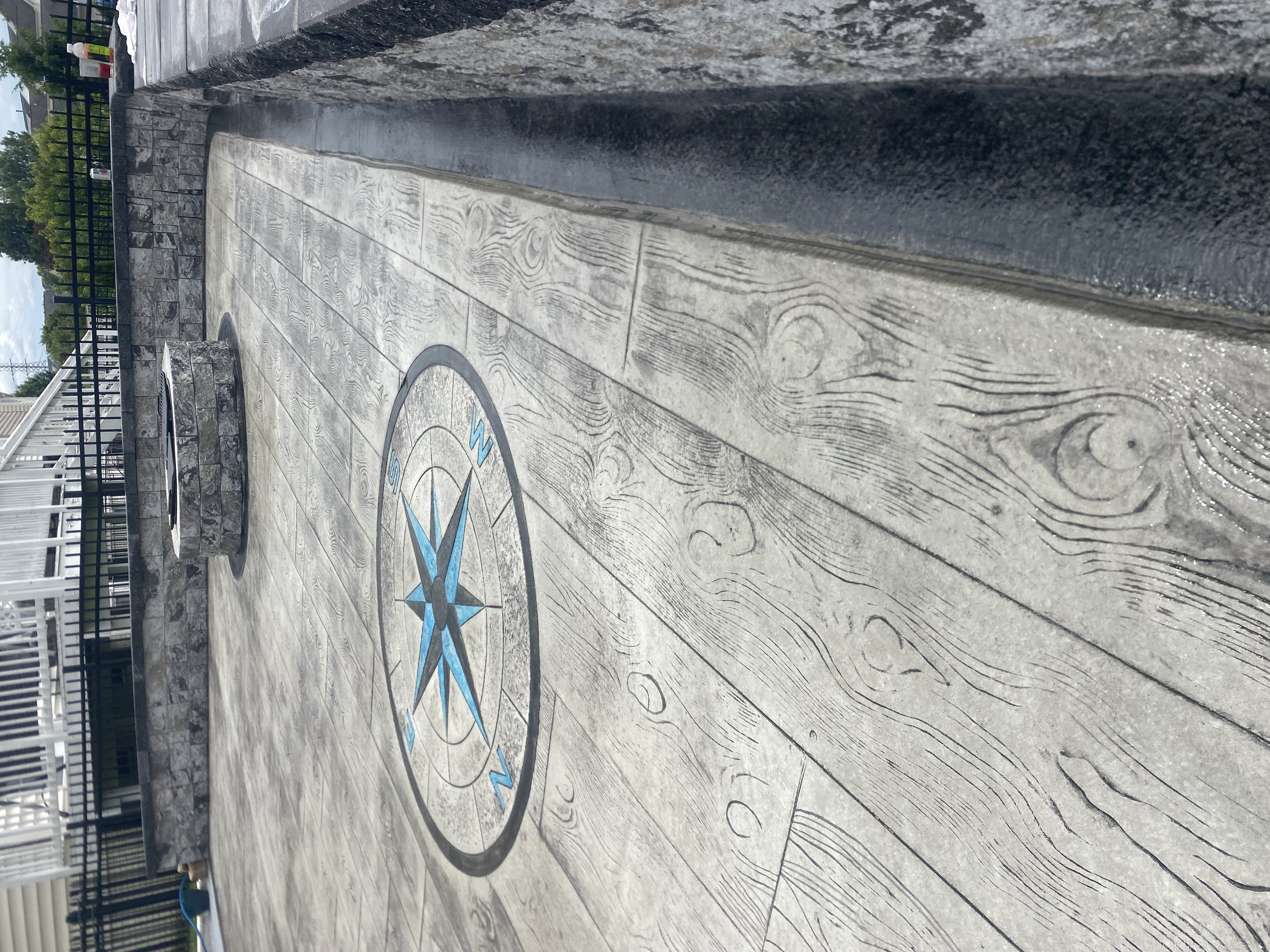
The aesthetic versatility of concrete also supports urban landscaping and design in sustainable community projects. From sidewalks and pathways to urban furniture and green roofs, using stained, stamped, or polished concrete provides creative solutions that are both functional and stylish. Such applications not only enhance the beauty and functionality of urban spaces but also do so while maintaining a commitment to sustainability.
In conclusion, the role of concrete in creating sustainable urban environments is pivotal. By leveraging innovative concrete solutions, Dixie Concrete Masonry continues to support the construction of communities that prioritize environmental sustainability without compromising on quality or safety. As technology advances and more eco-friendly options become available, concrete will likely remain a cornerstone of sustainable construction. Embracing these changes enables companies and communities to build more resilient and eco-conscious spaces where future generations will thrive. Understanding the impact of each project on the environment and ensuring the use of sustainable practices is not just a trend but a responsibility for everyone involved in the construction industry.
/filters:no_upscale()/filters:format(webp)/media/61c3b2a7-c578-4995-a1df-374f0d62ca73.png)