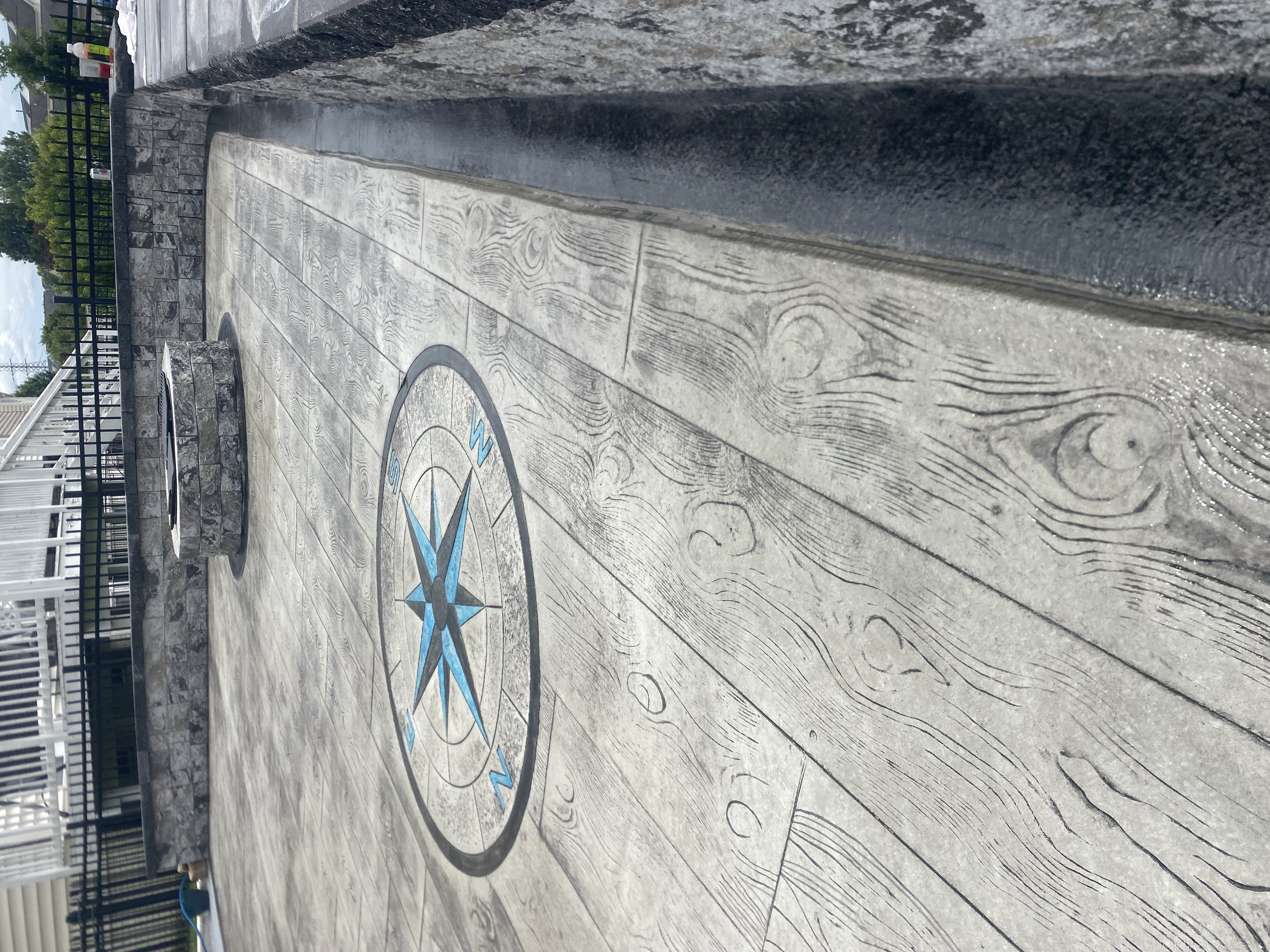
Mastering Concrete Installations: Essential Tips from Dixie Concrete Masonry Jan 28, 2026
To begin with, planning is a critical phase in concrete installations. Without meticulous preparation, even the most skilled craftsmanship can fall short. Start by assessing the site and determining the amount and type of concrete needed. It's vital to account for weather conditions, as temperature and humidity can significantly affect concrete setting and curing times. For instance, extremely hot or cold weather can impede the curing process, affecting the concrete's strength and longevity. To mitigate these issues, plan for seasonal adjustments and have appropriate materials like retarding or accelerating admixtures on standby.
Next, proper site preparation is crucial. Ensure the site is clean and free of debris, vegetation, and other obstructions that could compromise the integrity of the concrete. Grading the area correctly provides adequate slope and drainage, preventing water pooling, which can weaken the structure over time. At Dixie Concrete Masonry, we emphasize compacting the base material correctly to provide a solid foundation for the concrete, enhancing its durability and load-bearing capacity.
When it comes to mixing and pouring concrete, precision is of the essence. Adhering to the manufacturer's instructions for mixing ratio and consistency ensures the concrete's strength and performance. Overwatering can lead to segregation and weaken the mix, while insufficient water can make it difficult to work with and result in poor finishing. Pour the concrete in a consistent flow, avoiding interruptions that can lead to cold joints and weak spots.
Vibration is another critical factor during the pouring process, as it helps eliminate air pockets and ensures uniformity throughout the slab. However, excessive vibration can cause segregation, so it's essential to use the right tools and techniques. Once poured, it's imperative to finish the surface efficiently by floating and troweling to achieve the desired texture and smoothness.
Curing is the final step in a successful concrete installation. Ensuring the concrete retains moisture during the curing process is crucial for achieving maximum strength and durability. This can be achieved by covering the slab with curing blankets or plastic sheeting, or by applying a curing compound that retains moisture. Ideally, concrete should be cured for at least seven days, though longer curing times can enhance the material's strength further.
In conclusion, mastering concrete installations requires attention to detail at every stage, from planning to curing. At Dixie Concrete Masonry, our focus on precision and quality craftsmanship ensures that all projects meet high standards of excellence. By understanding and implementing these essential tips, you can undertake concrete projects with confidence, knowing they will stand the test of time. Whether you're a seasoned contractor or a DIY enthusiast, these guidelines will provide the necessary framework for successful concrete installations. Remember, the foundation of any great concrete work lies in careful planning, meticulous execution, and proper maintenance.
/filters:no_upscale()/filters:format(webp)/media/61c3b2a7-c578-4995-a1df-374f0d62ca73.png)