From Classic to Contemporary: Adapting Concrete Aesthetics for Evolving Architectural Styles Apr 15, 2026
The versatility of concrete is paramount when transitioning from classic to contemporary styles. Classic architecture, characterized by its use of ornate details, grand columns, and enduring materials, often leveraged concrete for its robustness and capacity to mold into intricate designs. Concrete has the ability to replicate the textures of stone with a weight and sturdiness that offers both reliability and aesthetic appeal.
As time has progressed, contemporary architecture has prioritized minimalism and functional design. Today's architects favor clean lines, open spaces, and geometric forms. This shift demands materials that not only perform well structurally but also complement the streamlined look embraced in modern designs. Concrete fits the bill perfectly due to its capacity to create bold and sleek designs while maintaining its structural integrity. Polished concrete floors, exposed concrete walls, and concrete countertops are now staples in contemporary design, celebrated for their industrial chic and modern edge.
Integrating concrete into a variety of architectural styles is not solely about aesthetics; it's about performance as well. Weather-resistant and energy-efficient, concrete adapts to different climates and environmental conditions. Its natural thermal properties contribute to energy efficiency, minimizing heating and cooling costs—a vital consideration in modern, eco-friendly architectural practices.
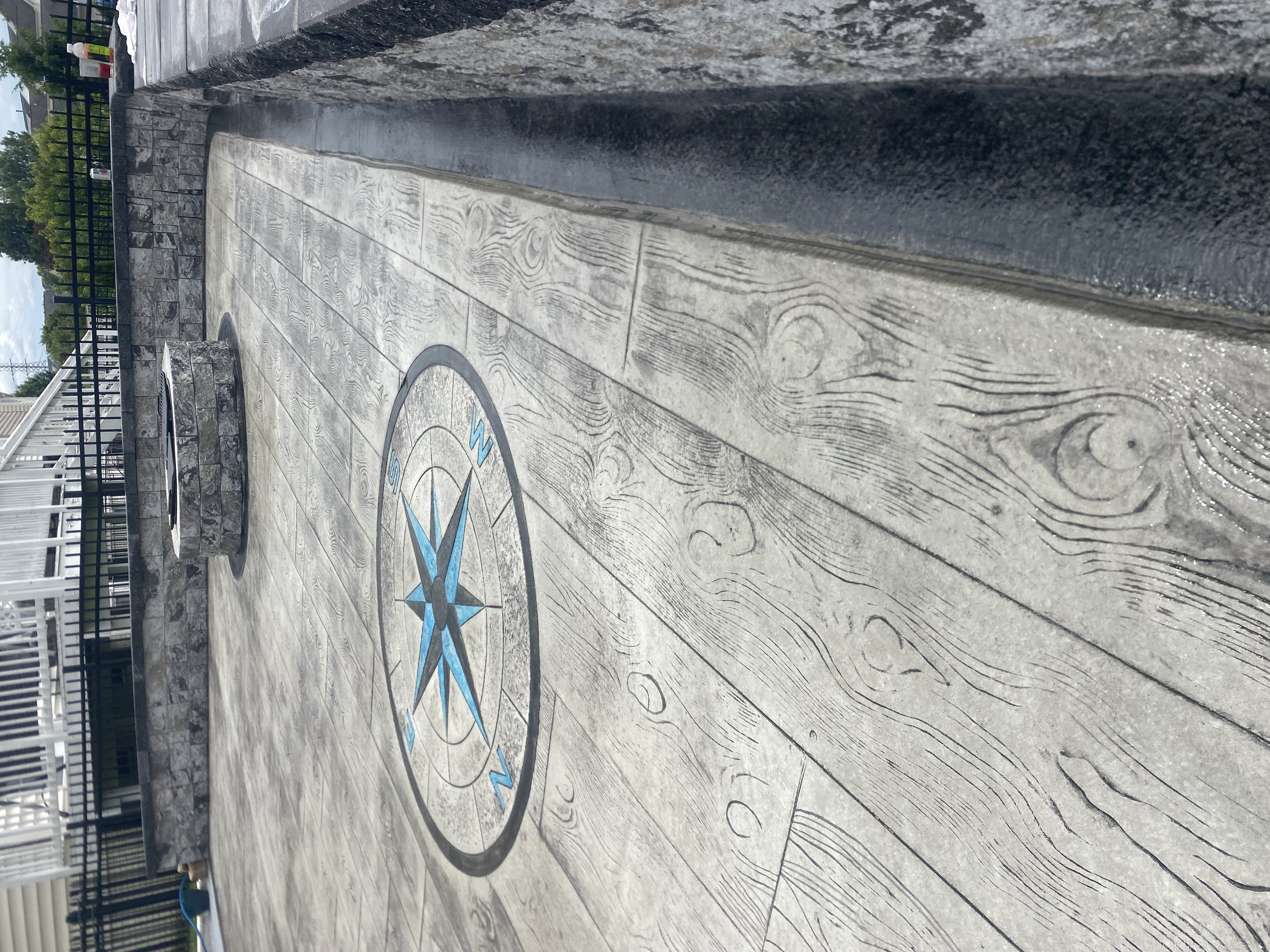
The process of aligning concrete aesthetics with architectural shifts also entails surface customization. Decorative concrete overlays, staining, and stamping offer a myriad of finishes that can emulate the look of natural stone, brick, or even wood. These techniques allow architects and homeowners to maintain the charm and character of traditional materials while benefiting from concrete's durability.
Dixie Concrete Masonry is committed to staying at the forefront of these innovations, continuously exploring new methods and finishes to ensure our concrete solutions align with the timeless and the contemporary. Our team works closely with clients to customize our products, whether they seek a rustic finish that harkens back to a bygone era or a sleek, minimalist design for a modern abode.
To effectively integrate concrete within diverse architectural styles, it is essential to collaborate with experts who have a deep understanding of both the material and the design intent. At Dixie Concrete Masonry, our expertise spans not just the practical aspects of concrete installation, but also the creative application of its aesthetic potential. By doing so, we ensure your architectural vision becomes a reality, blending the enduring qualities of concrete with the stylistic nuances of your dream design.
As trends in architecture continue to evolve, the demand for adaptable, innovative construction solutions becomes ever more pressing. At Dixie Concrete Masonry, our commitment to aesthetics and functionality remains unwavering, making sure concrete's role in architectural evolution endures. Whether your project leans towards the classic or the contemporary, our concrete solutions are tailored to provide both the strength and beauty required to support your architectural aspirations.
/filters:no_upscale()/filters:format(webp)/media/61c3b2a7-c578-4995-a1df-374f0d62ca73.png)